 Isabella Mueller (crime writer)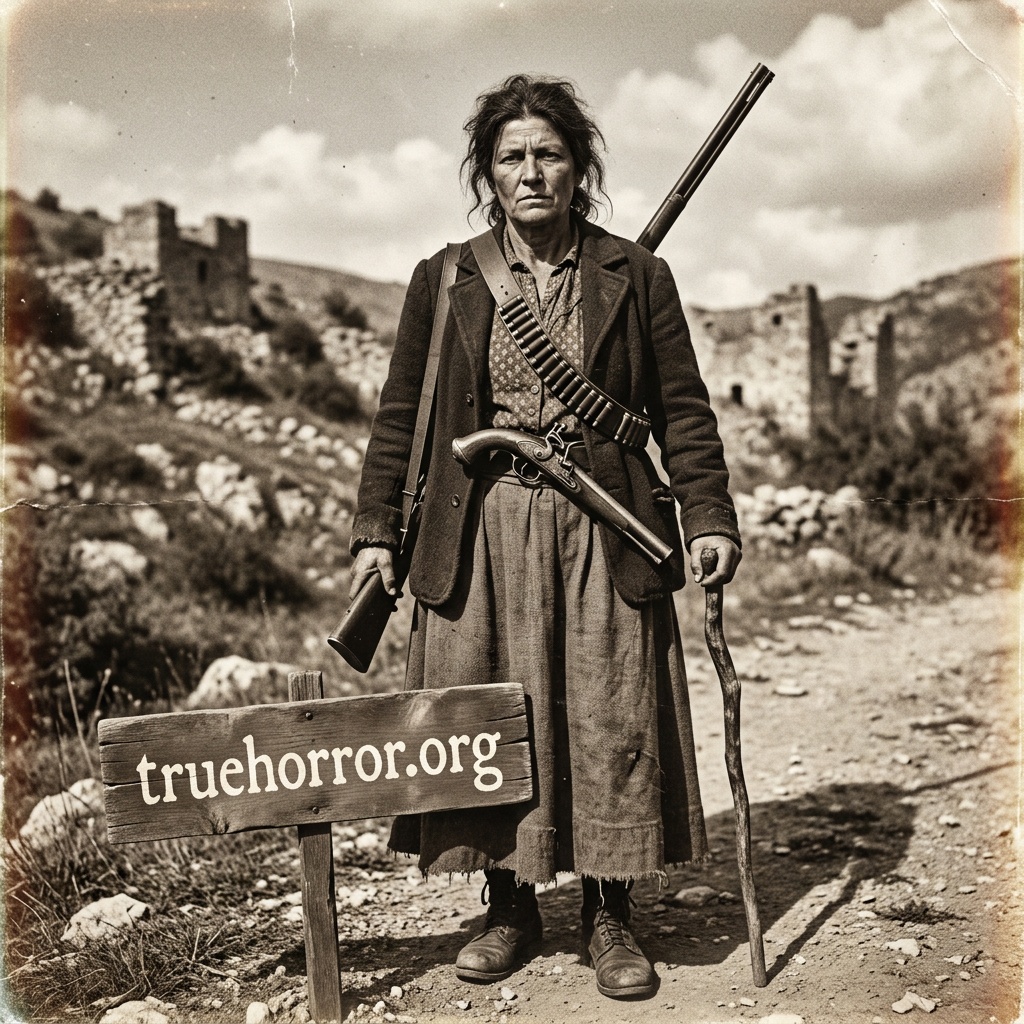
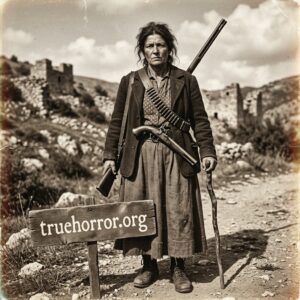
Maria Giuseppa Gizzi, one of the most notorious figures of 19th-century Italy, was not only a serial killer but also a feared bandit. Her life and deeds, which oscillate between legend and reality, form a fascinating yet terrifying chapter in Italian criminal history. Gizzi was born in Colliano and grew up at a time when violence and lawlessness were rife in Italy’s rural regions. It became apparent early on in her life that she was no ordinary woman. With an imposing stature and a fearsome appearance, she was a woman of above-average height with muscular arms, bushy eyebrows and shaggy black hair. Her cruelty and brutality ensured that she quickly made a name for herself as a dangerous criminal. At her side was Giacomo Parra, also a feared criminal. Together, they formed an explosive duo that instilled fear in the people of the Volturara district. It is said that Maria was not only an accomplice but often the one who carried out their crimes. Legendary tales of her deeds circulated, including the shocking account of a murder in which she stabbed three of her captives to death and used their blood for a ‘blood baptism’. These brutal deeds made Gizzi the ‘queen of the bandits’ and a feared figure whose very name sent shivers down the spines of even the bravest men. Despite her cruelty, Maria Giuseppa Gizzi led a life full of passion, which was directly linked to her notorious nature. Maria and Giacomo’s fate took a dramatic turn when they were pursued by the National Guard. Seeking refuge, they retreated to a farmer’s remote cottage in Petrosa. However, their hopes of a safe hiding place were quickly dashed when the farmer, Pasquale Lisanti, confronted them. After giving them food whilst under threat of death, he managed to overcome his fear. At the crucial moment, he seized an axe and attacked both Parra and Gizzi, killing them on the spot. This courageous act by the farmer turned him into a local hero. News of the deaths of Maria Giuseppa Gizzi and Giacomo Parra spread like wildfire and led to a triumphal procession in which the couple’s heads were paraded through the streets. This marked the end of an era of terror that had plagued the region for so long. The case of Maria Giuseppa Gizzi is not only a harrowing tale of violence and crime, but also a fascinating part of Italian folklore. The story of the female bandit and her horrific deeds remains alive in people’s minds. She is a symbol of the dark sides of human nature and of the desperate quest for power that leads people into darkness. Her name is still mentioned today in history books and tales. Gizzi embodies the fascination of crime and the horror story of a woman whose life was marked by violence. Whilst society tries to learn from the past, Maria Giuseppa Gizzi remains a relentless reminder that true atrocities are often hidden behind a veil of myth and heroism.