

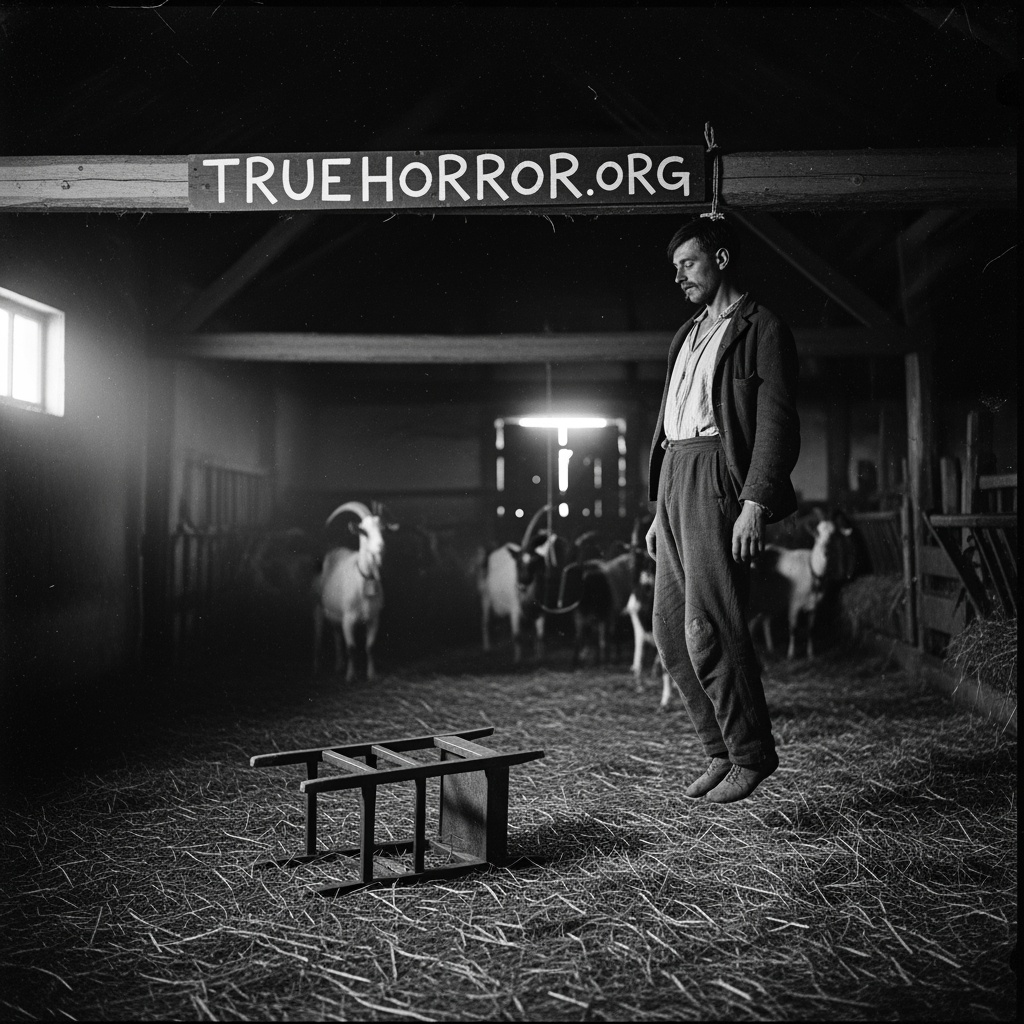
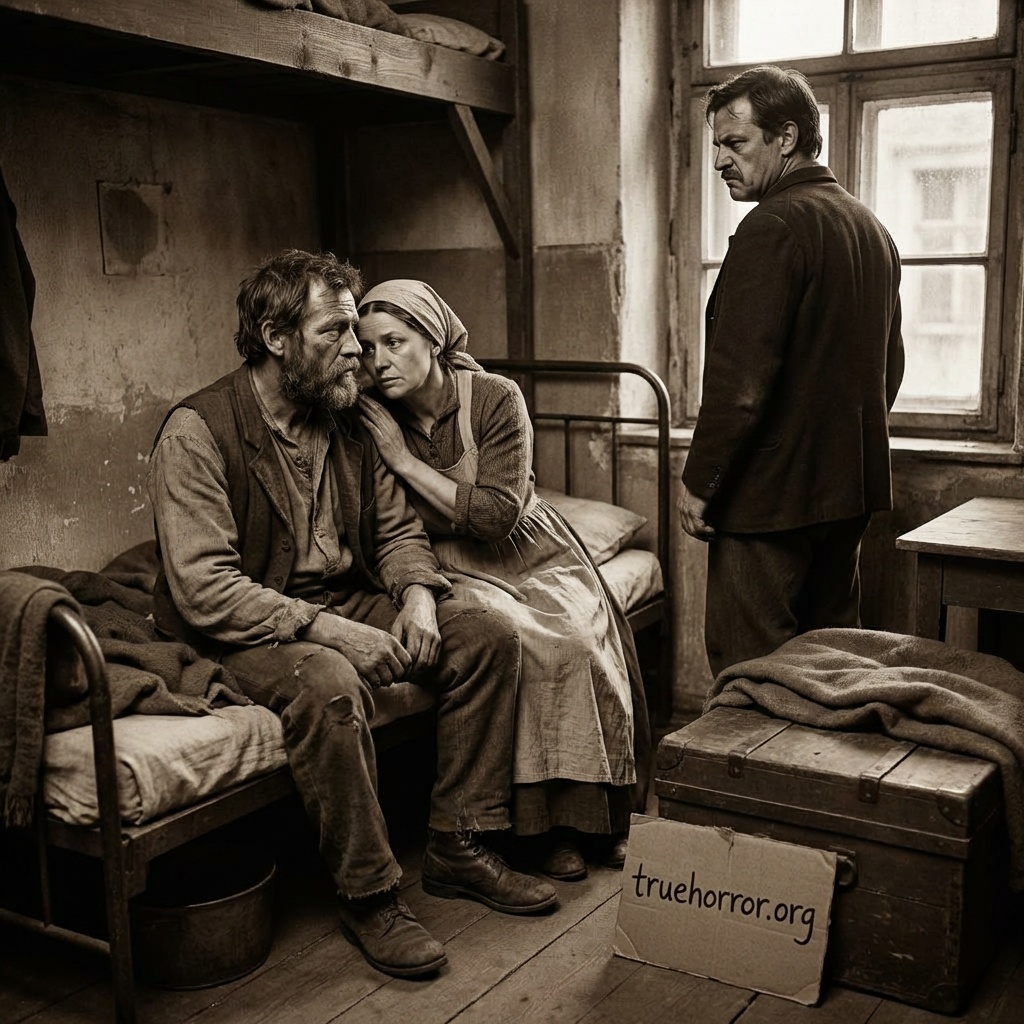
One of the most legendary and mythical figures in Hungarian folklore is Viktória Fődi, alias Pipás Pista, which means “Steve with the pipe.” Her life was marked by contrasts, scandals, and, not least, her unusual story as a woman who lived as a man and made a name for herself as a contract killer. Fődi Viktória was born on February 23, 1882, into a poor family in Átokháza. Her parents, farmer Lukács Fődi and Mária Tombácz, lived in difficult circumstances. Beating from her alcoholic and violent father was part of Viktória’s everyday life. Despite the adversities she experienced, her childhood had a formative influence on her later life. At the age of only 13, she was sold as a maid to a farmer named Sulák Mórich in Turócszentmárton because of her family’s debts. Here she began to enjoy smoking pipes, which would become a hallmark of her later life and lead to her nickname Pipás Pista. The conditions in which she lived and worked were anything but fair. According to reports, she was sexually abused by the farmer Sulák Mórich and may have become pregnant by him. Sulák eventually introduced Viktória to the wealthy 27-year-old farmer Pál Rieger, whom she married in 1902. Life with Rieger was marked by violence and abuse, and their marriage ended in divorce in 1910. After the divorce, Viktória lived alone on an inherited farm. From then on, she dressed as a man in order to find work more easily. Her impressive physical strength and ability to do heavy work made her well known in the area. It was said that she could knock a man to the ground with one hand. This strength earned her respect, but also fear. Many farmers hired her as a day laborer because she could work twice as hard as others. In 1916, she met István Börcsök. He became her regular drinking buddy. Both were regulars at the local pub, the Dog Scraper, where Viktória regularly got into fights with other men. When István offered her a job as a farm worker on his farm in 1919, Viktória accepted. But she soon realized that István beat his wife when he was drunk and threatened her with a gun. Viktória hatched a plan to get rid of István. She revealed this to István’s wife, who agreed to the murder plot. Together with István’s son Imre and the worker János Vecsernyes, they frightened the horses in the stable. The noise woke István, who went to the stable with his wife to check that everything was all right. Then the trap snapped shut. Viktória strangled the unsuspecting István from behind with a rope, and his body was placed on a rafter with an overturned chair next to it. This disguised the murder as a suicide. After the murder, everyone celebrated. Word of the suicide quickly spread, and soon there was a spate of male suicides. The Tisza region was now famous not only for its breathtaking landscapes, but also for a series of mysterious suicides that occurred after the deaths of husbands. Desperate widows seemed to turn into single women overnight, while the police mostly dismissed the incidents as suicides. The pattern was always the same. A man was asked to come to the barn, where he encountered a bold staging. A noose was placed around his neck to strangle him. Afterwards, the body was hung up and an overturned chair was placed next to it to make it look like suicide. Viktória’s methods were not only brutal, but also extremely sophisticated. The husbands’ wives were coerced into luring their husbands outside so that the murders could be carried out. The police were clueless and believed that these husbands had committed suicide out of despair over their failed marriages. No one could have guessed that the quiet, smoking cowboy Pipás Pista was actually a woman who had disguised herself perfectly as a man. One day in 1922, Viktória was approached by a woman who asked her to kill her husband, Antal Dobák, in order to remove him from her life. This assignment marked a turning point in her life. Viktória accepted the contract killing, and once again, everything went smoothly. By 1932, there had been over 30 cases of male suicides in the region. However, the police did not pursue these cases. It was not until June 7, 1932, when the police were called to a dispute between two lovers, that the case began to unravel. As the police accompanied the woman home, she revealed that Antal Dobák’s suicide had been staged, as her lover had told her. After this statement, the pieces of the puzzle came together, and the police began to re-examine the mysterious suicides. When the authorities finally arrested Pipás Pista, something unexpected happened. She stubbornly refused to bathe, and the reason quickly became clear when Pipás Pista turned out to be a woman. When Viktória Fődi’s female identity was revealed, there was a new perspective on the murders disguised as suicides. These had not been committed by a tough, greedy cowboy; instead, the police were dealing with a feminist who was willing to do anything to free other women from their dysfunctional marriages. In 1933, Pipás Pista was found guilty of murder and sentenced to death. However, her death sentence was commuted to life imprisonment by the Hungarian regent Miklós Horthy. This was because Pipás had trained as a nurse in prison and converted to Catholicism. She deeply regretted her actions, which is why she was pardoned. Pipás Pista died of pulmonary emphysema on October 10, 1940, in Csillay Prison. Her case is not only an example of criminal genius, but also a fascinating portrait of a woman who rebelled against the social norms of her time. To this day, Viktória Fődi, alias Pipás Pista, continues to fascinate people. Numerous books and documentaries have been dedicated to her life. Plays and rock songs have also been produced, and an exhibition shows artistic interpretations of her character in historiography. This renaissance of interest can be explained by the complexity of Viktória’s character. She was seen both as a murderer and as a symbol for women fighting against patriarchal structures. The injustice she suffered in her first marriage is often seen as the catalyst for her later development. The unfortunate brides she supported reflected a part of herself, and Victoria transformed her hatred of men into a grotesque form of liberation. Her actions may be morally reprehensible, but they encourage reflection on gender roles and the dynamics of marriage. Her story remains a powerful example of the depths of the human psyche. It combines elements of tragedy, crime, and feminism, attracting the attention of both historians and criminal psychologists. Her methods and the way she chose and deceived her victims are almost beyond comprehension. But at a time when women were often considered property, Viktória challenged society to rethink the boundaries of gender and violence. Although she was ultimately punished for her actions, Viktória’s legacy lives on. As a symbol of the darkness that lies dormant in each of us, and as a reminder that every struggle for freedom also encompasses the dark side of passion and despair. Her legend lives on, and she remains a symbol of the struggle against oppression and the search for identity in a world that often has no understanding for those who are different. Pipás Pista’s life is a remarkable part of Hungarian cultural history that continues to fascinate and appeal both as a narrative and as a myth.
Viktória Fődi: The Hungarian Hitwoman



Leave a Reply