

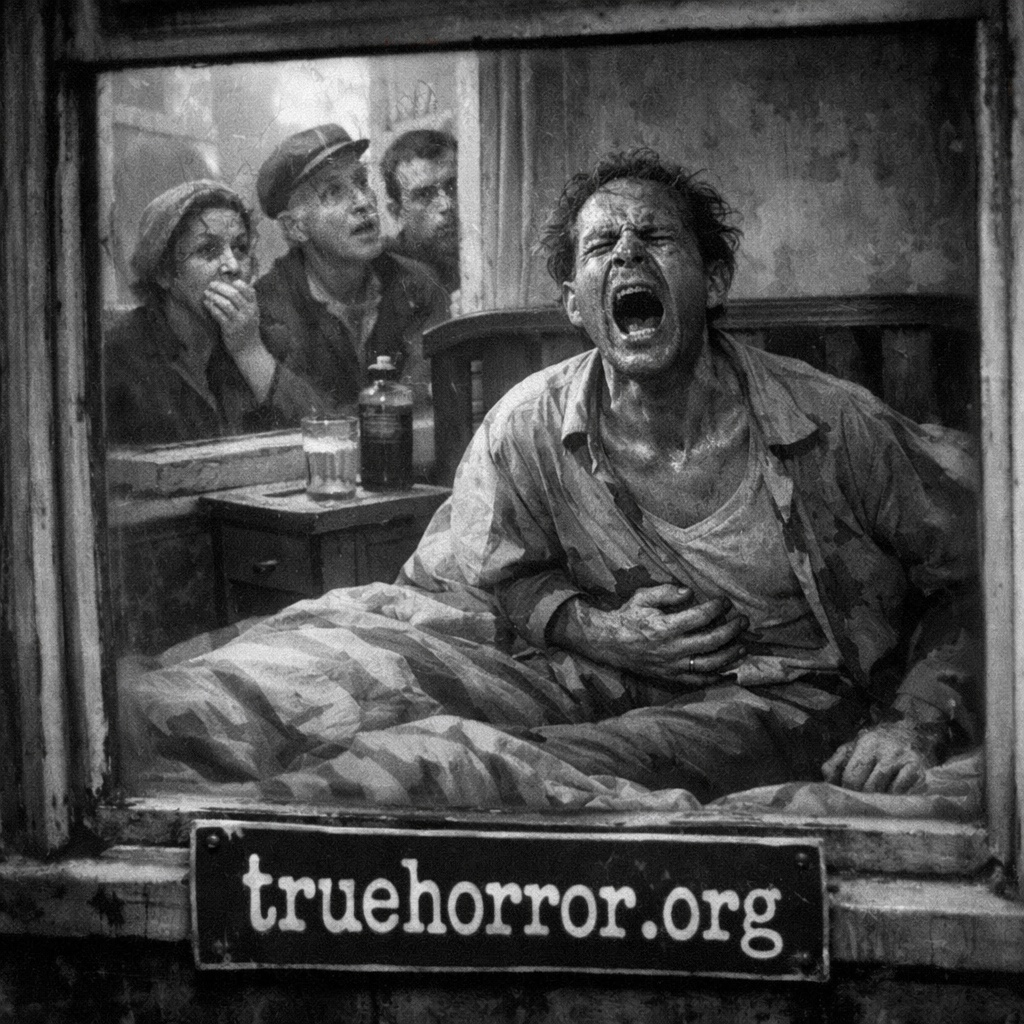
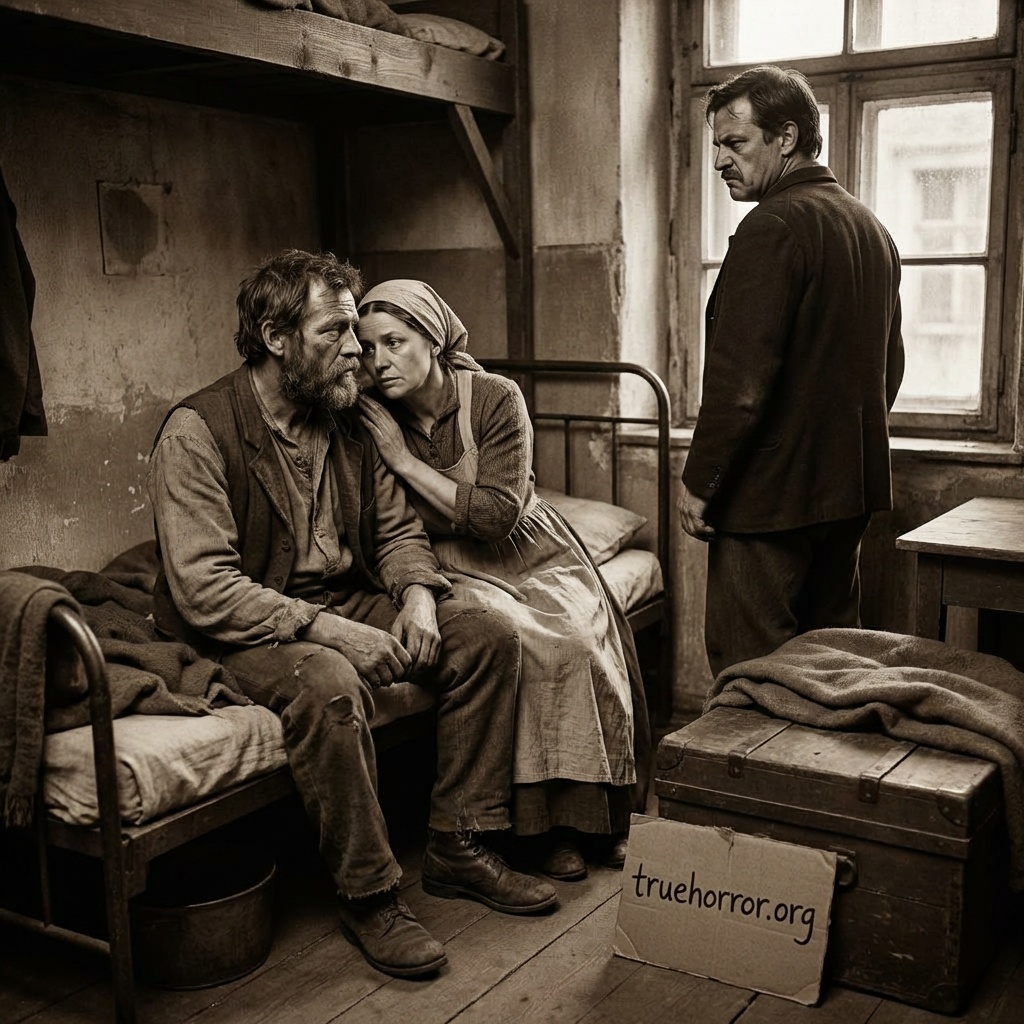
In the early 1950s, a murderous drama unfolded in the gloomy streets of Newtown, a suburb of Sydney. It was a time when a seemingly innocent housewife and mother committed two cold-blooded murders that shocked the whole of Australia and forced the authorities to drastically rethink the precautions surrounding the sale of poisonous substances. This is the story of Yvonne Gladys Fletcher, who went down in the annals of Australian criminal history as the “Devil Angel.” Yvonne Gladys Fletcher was born in 1922 and initially led a seemingly normal life. But behind the facade of a normal family life lay a dark secret. On July 29, 1948, her first husband, Desmond George Butler, died under mysterious circumstances at the age of only 30. He had suffered hellish torment for over nine months. In November 1947, Desmond fell ill with symptoms resembling a gastrointestinal infection or severe flu. He suffered from severe stomach cramps, paralysis in his legs, hair loss, and a massive impairment of his cognitive abilities. It seemed as if Desmond was slowly going mad. Desmond was often in so much pain that his screams could be heard by his neighbors in the small row house at 57 Ferndale Street in Newtown. He was eventually admitted to the Royal Pride Alfred Hospital. But the doctors were at a loss and soon believed that his physical symptoms could be caused by severe depression, which is why he was admitted to the Callan Park psychiatric clinic in Lilyfield. However, Desmond’s condition deteriorated rapidly and he was sent back to Newtown a month before his death. Desmond finally passed away on July 29, 1948. The cause of death could not be clearly determined at the time. But it was an open secret that Yvonne was glad her husband had passed away, as he had drunk away all her savings and constantly had affairs with other women. Almost four years later, on March 23, 1952, her second husband, Bertrand “Bluey” Fletcher, also 30 years old, succumbed to a similar illness as Desmond. Both men died as a result of thallium poisoning, which no one suspected at first. After Bertrand Fletcher’s death, suspicions arose. Friends, neighbors, and doctors noticed the striking similarity of the symptoms of both husbands. It was also known that Yvonne was unhappy in her marriage, as Bertrand was violent towards her and his two stepchildren, Ray and Ellen. The couple often argued loudly, and after Bertrand fell ill, he had expressed his suspicion to acquaintances that Yvonne had poisoned his toast and the thermos flask he took to work. This prompted the police to conduct a thorough investigation. Under the direction of Detective Fred Krahe, who was later linked to organized crime himself, the authorities exhumed the husbands’ bodies and had them tested for traces of thallium. The tests confirmed the suspicion: both men had been poisoned. On May 19, 1952, Yvonne Fletcher was finally arrested and brought to trial. She appeared composed during the trial until the final sentence was announced. The trial of Yvonne Fletcher began in September 1952. Judge Kinsella presided and emphasized the seriousness of the crime. In his opening statement to the jury, the Crown Attorney, Mr. Rooney, said that Mrs. Fletcher had begun administering thallium to her first husband as early as 1947. During the trial, it came to light that Fletcher had poisoned her second husband in a similar manner after obtaining the thallium from him—ironically, in his capacity as a professional rat poison manufacturer. On September 23, 1952, after four hours of deliberation, the jury found Yvonne Fletcher guilty. The gruesome details of the slow and agonizing poisoning of her victims shocked the jury and the public alike. When Yvonne was sentenced to death, she burst into tears and nearly collapsed in the courtroom. Thallium, a highly toxic heavy metal, was still relatively easy to obtain in the early 1950s. It was often used to combat rat infestations, which were a major problem, especially in densely populated urban areas such as Newtown. Thallium is colorless, odorless, and tasteless, which made it a poison of choice for criminal activities. It causes neurological damage, hair loss, severe pain, and ultimately death. The investigation into the murders committed by Yvonne Fletcher ultimately led to a ban on the sale of thallium to the public. After the abolition of the death penalty in New South Wales, Yvonne’s sentence was commuted to life imprisonment. She was finally released in 1964 after only twelve years in prison, which many people considered too lenient a punishment for her heinous crimes. Yvonne remarried and lived a secluded life from then on. Her children were placed in state care after her conviction. The Fletcher cases are not only a dark chapter in criminal history, but they also shed a harsh light on the social circumstances of the time. The fact that Yvonne Gladys Fletcher was able to purchase and use her poison unhindered highlights the shortcomings in the handling of dangerous substances at the time. Her story served as a catalyst for stricter controls and brought about necessary changes in the handling of such poisons. Yvonne Gladys Fletcher remains a fascinating and terrifying figure in Australian history. Her ability to murder her own husbands seemingly without remorse is still shocking today. Her story reminds us that evil often comes in the most unexpected forms and that the extent of human cruelty knows no bounds. Yvonne Gladys Fletcher has long since passed away, but her deeds remain in our memory—as a warning example of how poison can destroy not only bodies but also souls.
The Devil’s Angel: The Horrific Crimes of Yvonne Gladys Fletcher



Leave a Reply